



An international event offered advanced training in neuropathology, neuroimaging and neurosurgery for focal epilepsy, with a practical emphasis and international collaboration.
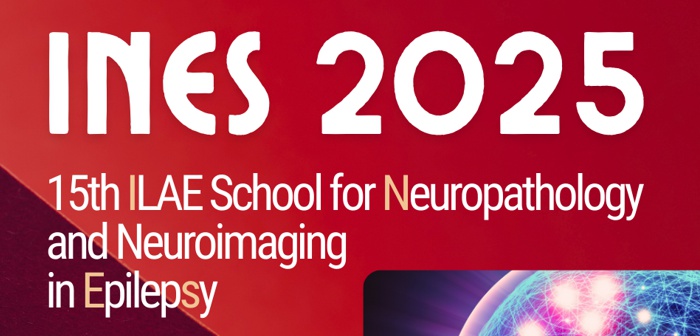
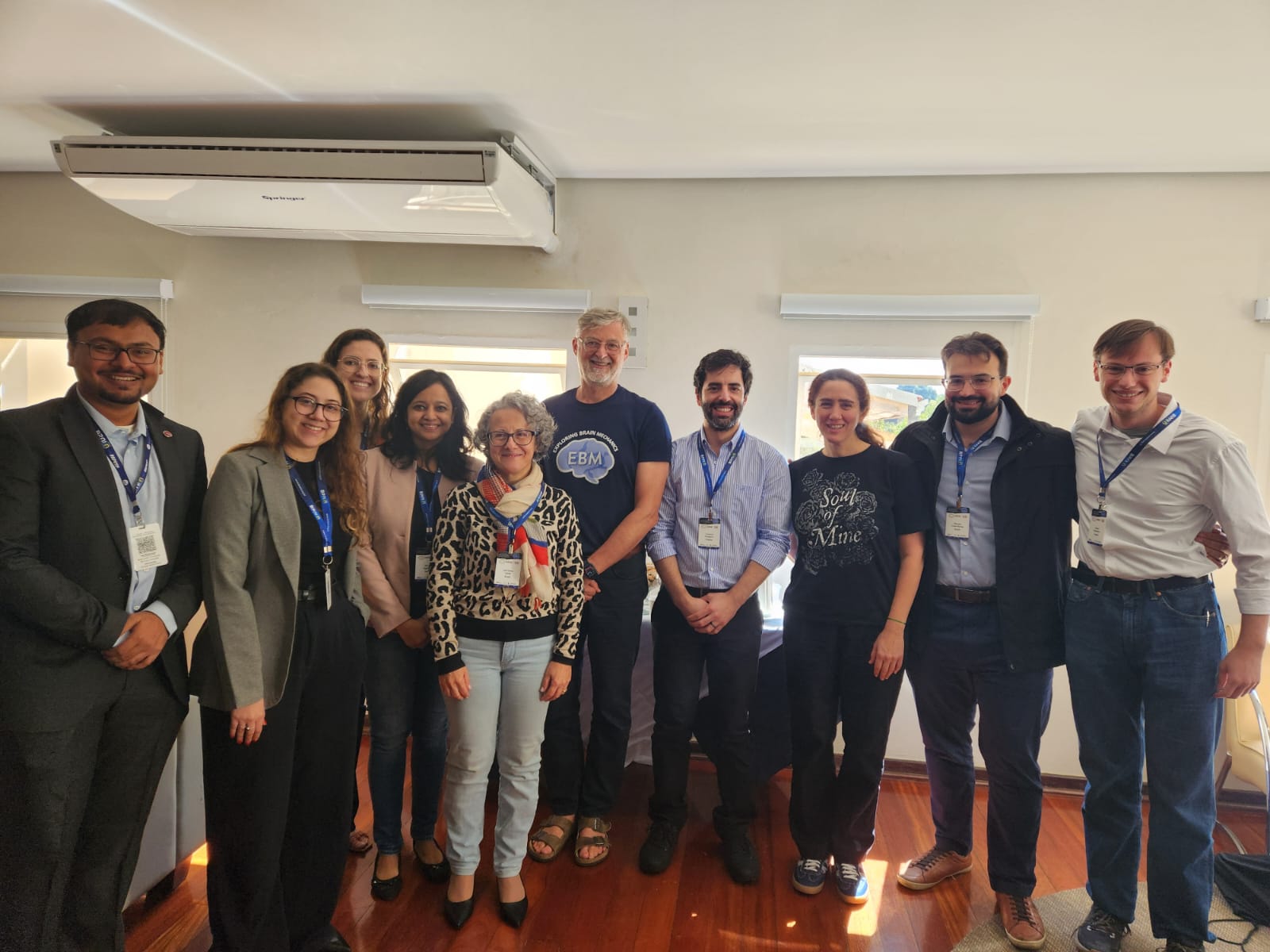
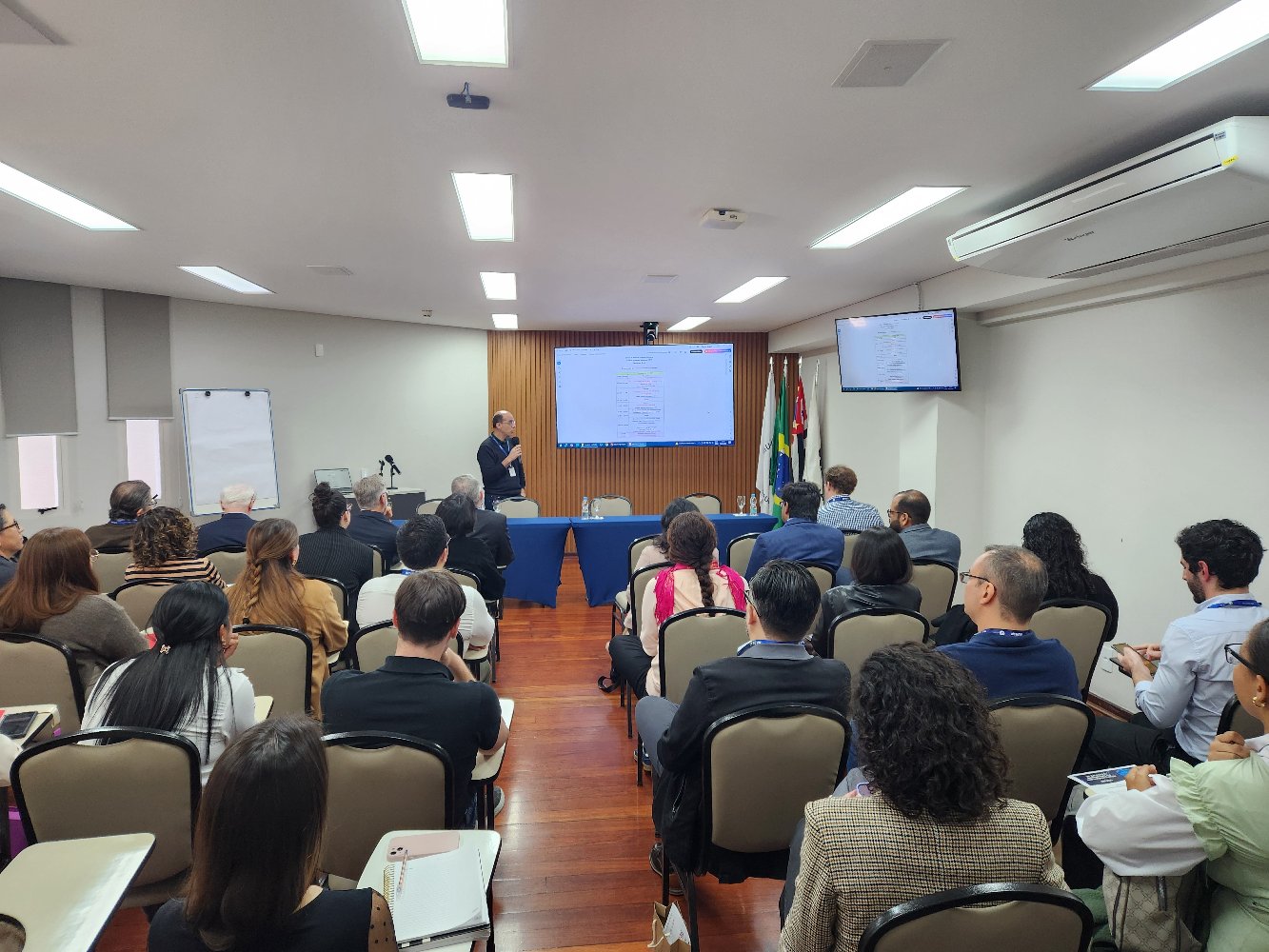
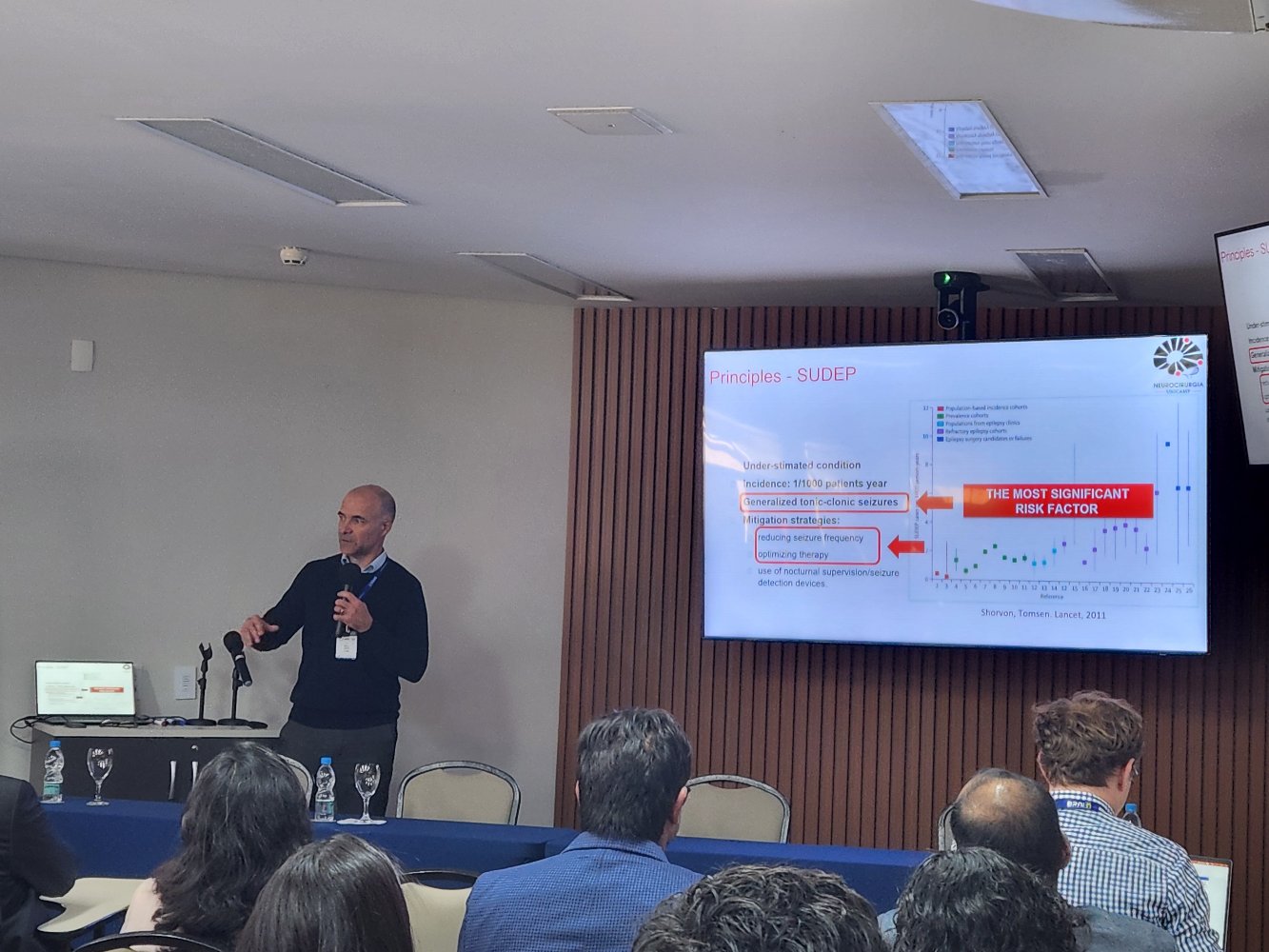
Between 31 July and 3 August 2025, Campinas hosted the 15th edition of the International School of Neuropathology and Neuroimaging in Epilepsy (INES 2025), an initiative organized by the International Society of Neuropathology (ISN) in partnership with the International League Against Epilepsy (ILAE), and supported by CEPID BRAINN. The event aimed to provide advanced training for researchers and healthcare professionals in neuropathology, neuroimaging and neurosurgery applied to the diagnosis and treatment of focal epilepsy.
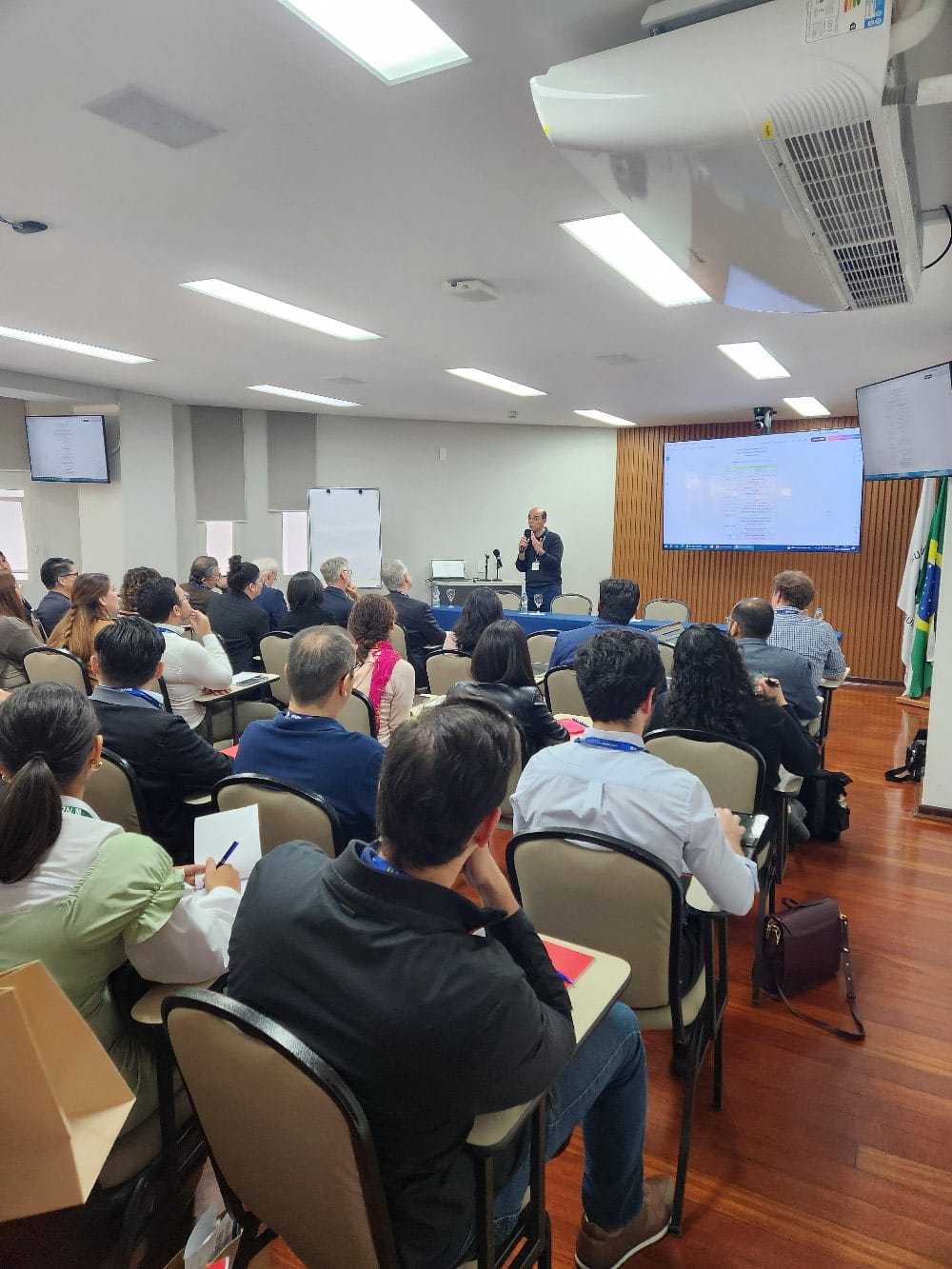
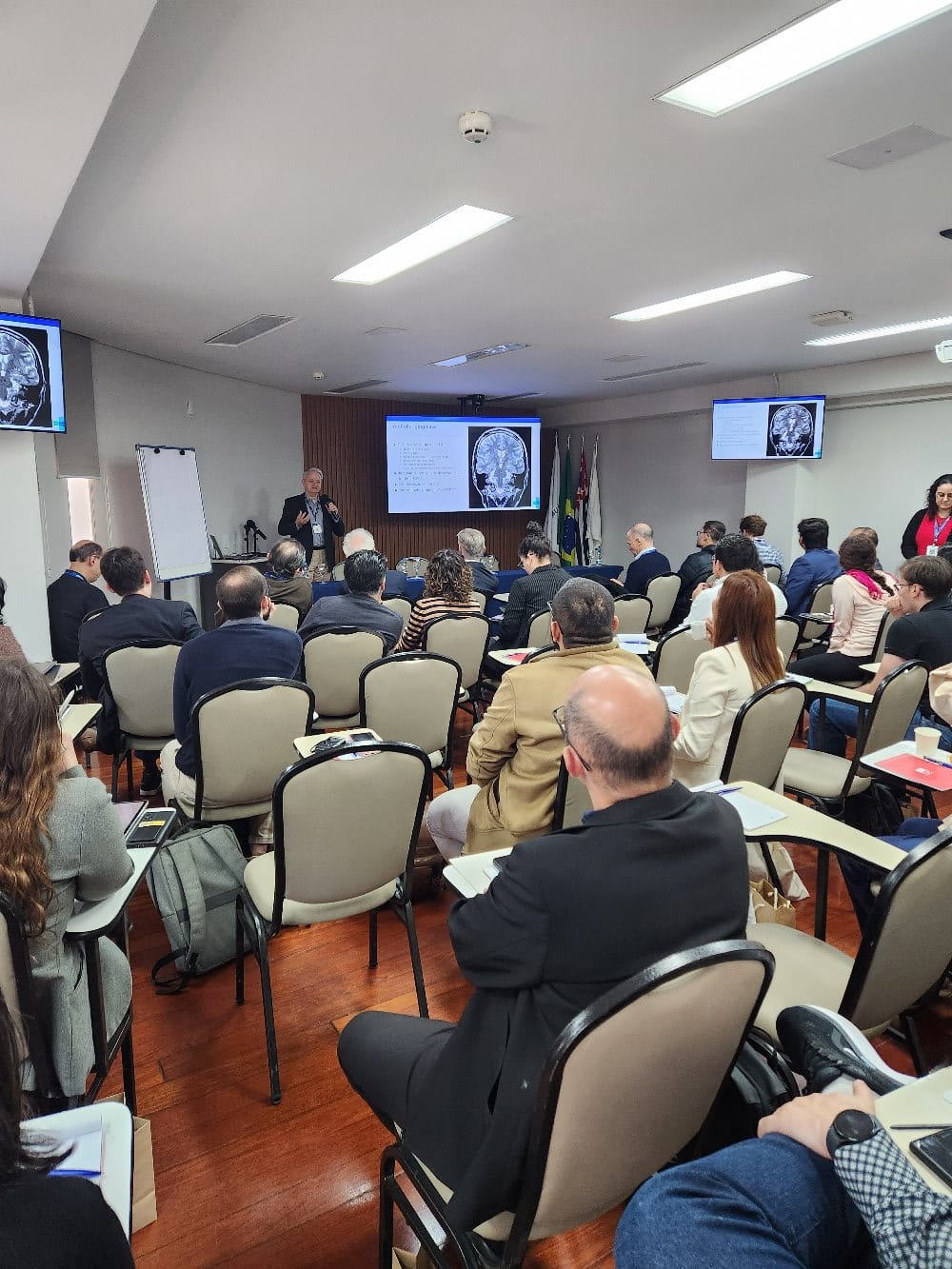
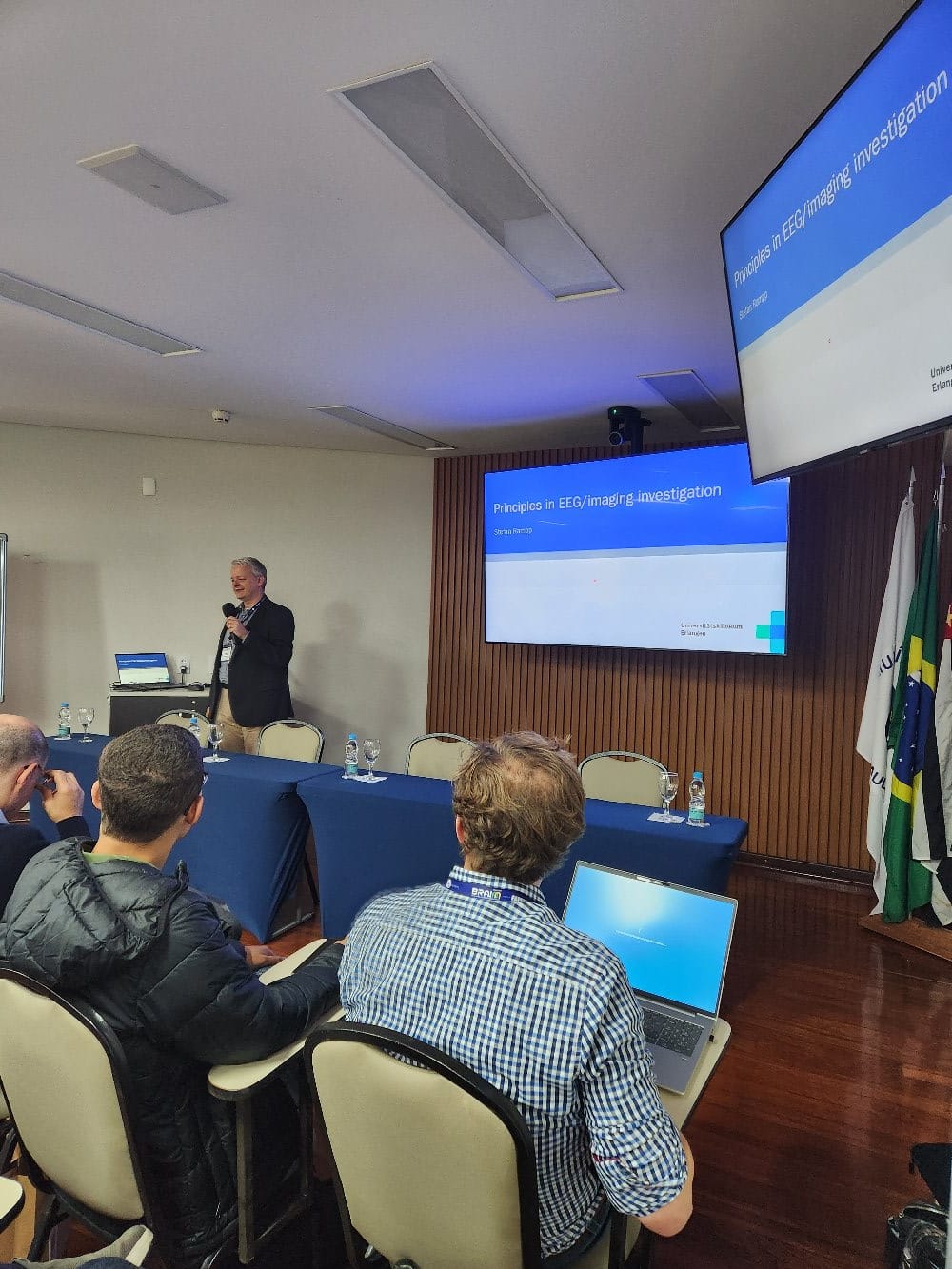
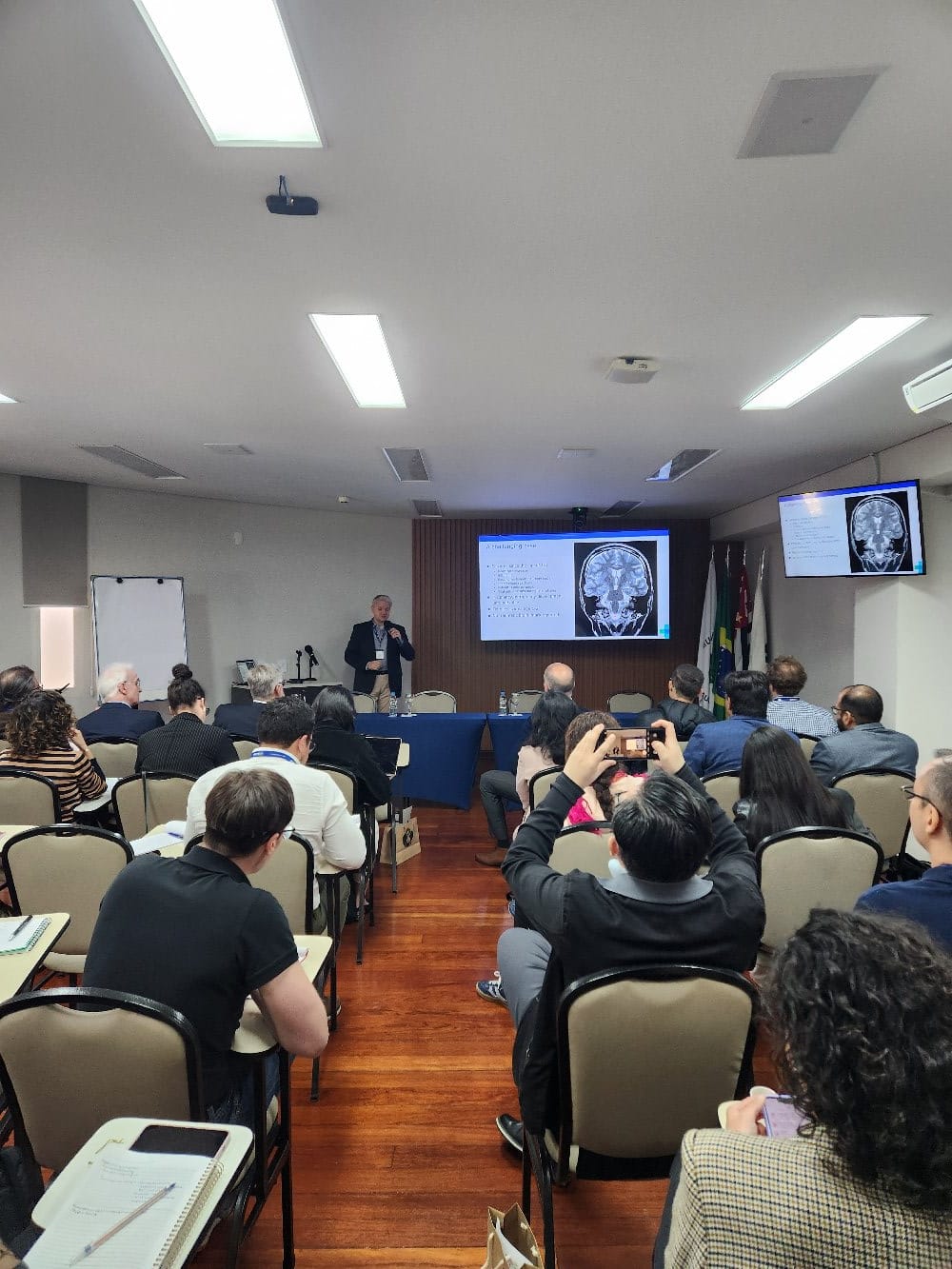
Program and practical activities
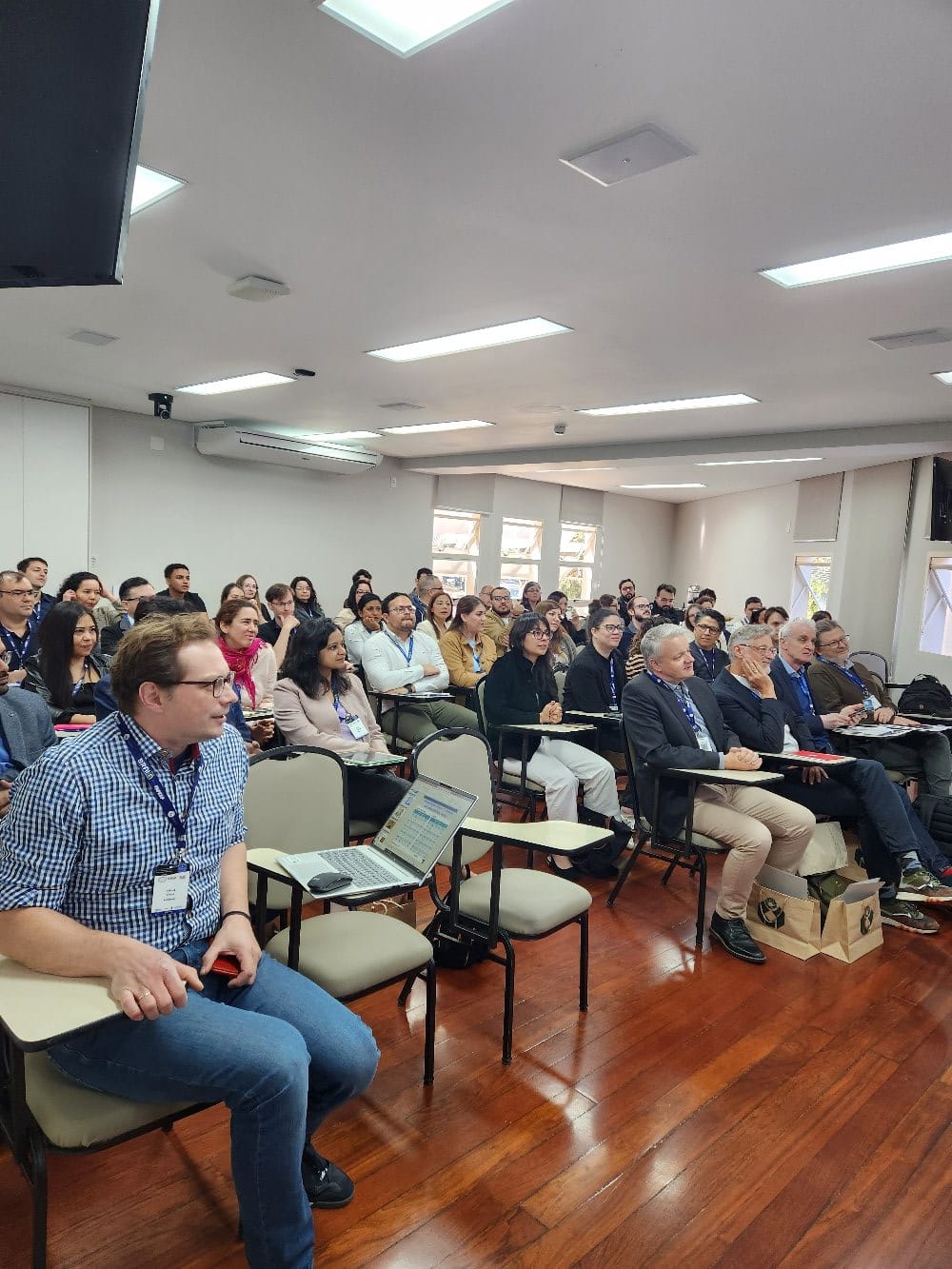
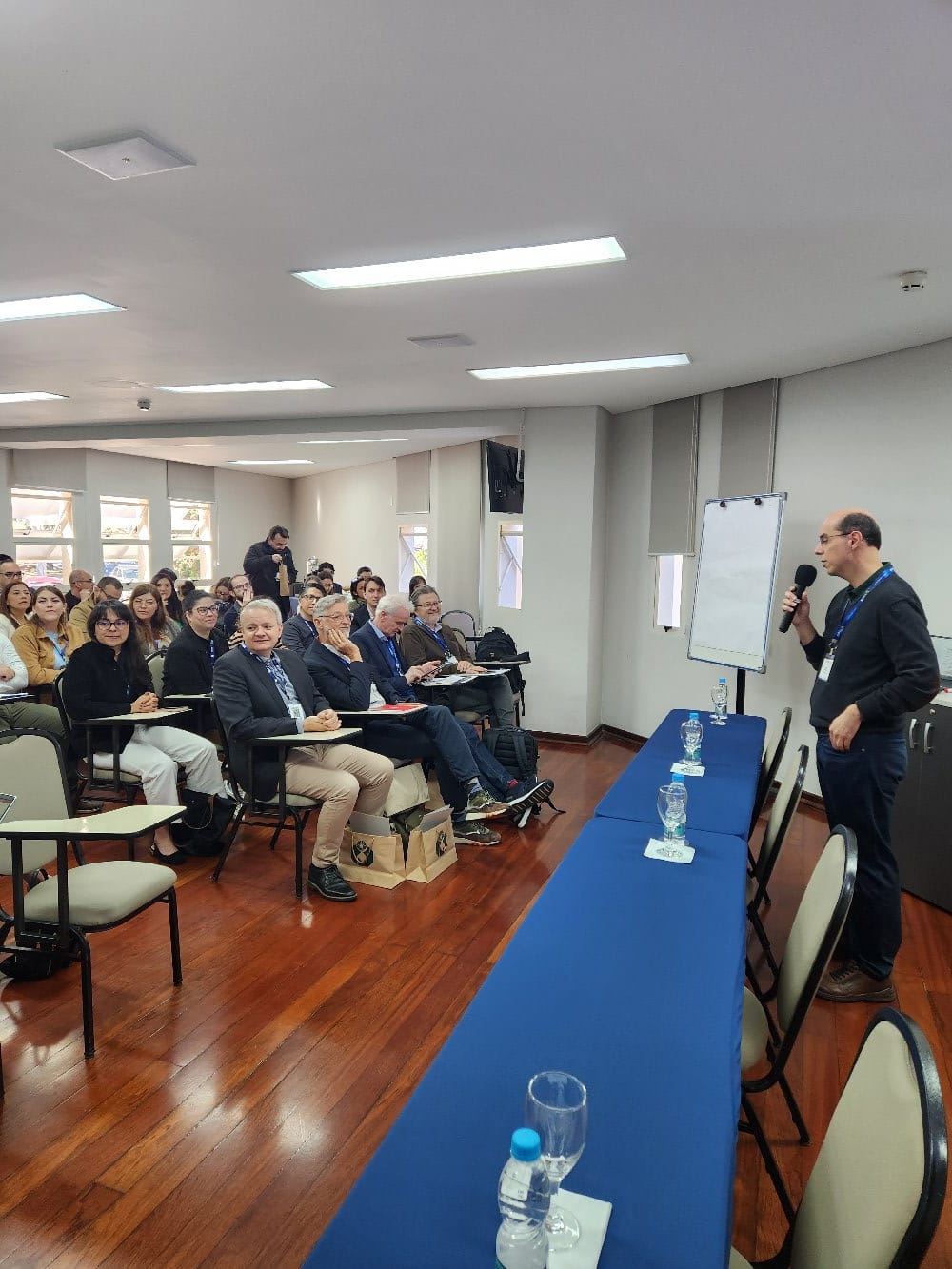
Activities took place at Unicamp’s Casa do Professor Visitante (CPV) and in the Neuroanatomy and Neuroimaging Laboratories, combining theoretical lectures, clinical case discussions and hands‑on sessions. The course brought together participants from a range of countries, including Brazil, Germany, Austria, Mexico, Honduras, Uruguay, Argentina, Peru, Canada, Colombia, India, Venezuela, Chile and the Dominican Republic, reinforcing the international character of the initiative and expanding the network of scientific collaboration among institutions across continents.
The scientific program was structured to cover fundamental concepts and recent advances related to the recognition, classification and characterization of brain lesions associated with focal epilepsy. Activities emphasized the integration of neuropathology, neuroimaging and neurosurgery, enabling participants to appreciate the importance of a multidisciplinary approach for accurate diagnosis and individualized therapeutic planning.
International collaborations
In addition to lectures delivered by specialists from Brazil, Germany and Austria, the course included practical sessions on magnetic resonance imaging interpretation, demonstrations of neuroanatomy applied to surgical access routes and training in the neuropathological assessment of surgical specimens. Macroscopic and microscopic analysis of samples allowed participants to correlate clinical, radiological and histopathological findings, strengthening understanding of the mechanisms involved in epileptogenesis and their relevance for clinical decision‑making.
A highlight was the participation of Prof. Ingmar Blümcke of Friedrich‑Alexander Universität Erlangen‑Nürnberg (Germany), an international authority in epilepsy neuropathology. His presence made a significant contribution to the scientific update of participants and to the reinforcement of international collaborations already established with Unicamp research groups.
After the course concluded, the researcher also delivered the lecture “The genotype‑phenotype association of epilepsy‑associated brain lesions: the 2025 update” at the Hospital de Clínicas of Unicamp to approximately 40 professionals, including physicians, residents and other healthcare staff, thereby extending the reach of the knowledge‑dissemination activities promoted during his visit.
A scientifically and academically impactful event
Compared with previous editions, INES 2025 substantially increased the number of hours devoted to practical activities, especially those related to neuroanatomy demonstrations, surgical approach planning and neuropathological evaluation of surgical specimens. These activities reinforced the importance of integration among different specialties for the diagnosis and treatment of focal epilepsy, and highlighted the role of interdisciplinary communication in the development of translational research.
In this context, the event also helped to showcase internationally the research model developed at Unicamp and CEPID BRAINN, characterized by efficient integration among neuroimaging, neurosurgery, neuropathology, neurogenetics and clinical research. Interaction among faculty, researchers and participants fostered discussion of clinical cases and research projects, promoted exchange of experiences and encouraged the establishment of new scientific collaborations.
The course’s formative impact was widely acknowledged by participants. In anonymous evaluations conducted at the end of the event, many students emphasized the opportunity to learn directly from international experts and the relevance of the content for their academic and professional activities. Reports indicated that the knowledge gained has direct application in research projects and clinical practice, particularly in the areas of imaging diagnostics, neuropathology and surgical treatment of epilepsy. The practical sessions in neuroanatomy and neuroimaging were especially valued by participants, who highlighted the quality of the available infrastructure and the opportunity to correlate theoretical concepts with real‑world situations encountered in care and research.
Results from the satisfaction survey conducted by the ILAE showed a high level of approval for the event, with more than 90% of participants rating the experience as extremely positive and indicating that their expectations were met or exceeded.
Thus, INES 2025 consolidated itself as an important initiative for human resource training, internationalization and dissemination of scientific knowledge, contributing to the capacity building of professionals and researchers from different countries and strengthening the role of CEPID BRAINN and Unicamp as centers of excellence in research, teaching and innovation in the field of epilepsies.
Relacionados/Related:
 Concurso fotográfico “Olhares sobre a Epilepsia” recebe inscrições
  INES 2019: Informações sobre o Evento
  41º Congresso da LBE: confira a participação dos pesquisadores do BRAINN
  International scientific lecture “The genotype-phenotype association of epilepsy-associated brain lesions: the 2025 update”
 Português do Brasil