



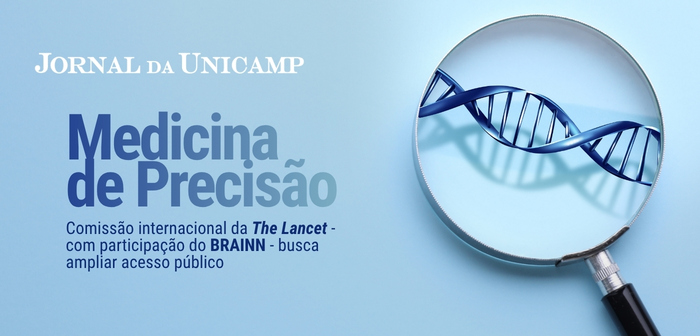
Article in *Jornal da Unicamp* highlights the work of The Lancet Commission on Precision Health regarding the adoption of precision medicine in public health systems.
(TV Unicamp) Dementia: Marcio Balthazar comments on the rising number of cases and preventive measures
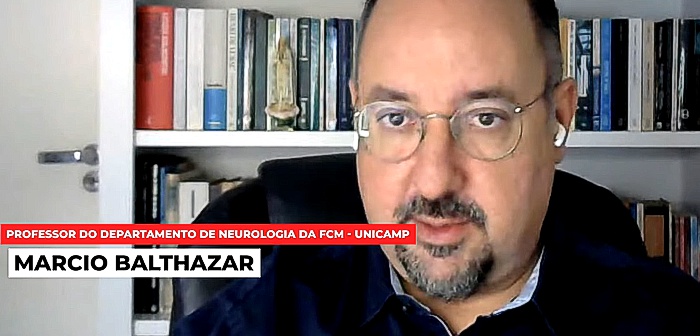
A TV Unicamp report interviews a BRAINN neuroscientist about the disease and the observed increase in dementia cases among younger people. Watch the video.
Iscia Lopes Cendes elected member of the World Academy of Sciences (TWAS)
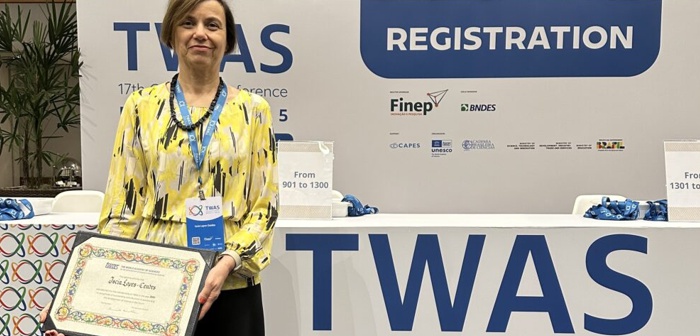
A BRAINN researcher has been elected in recognition of her outstanding contributions to science and to the strengthening of knowledge in the Global South.
BRAINN on TV – Assistive Robotics: Unicamp Research Brings Dignity to People with Disabilities
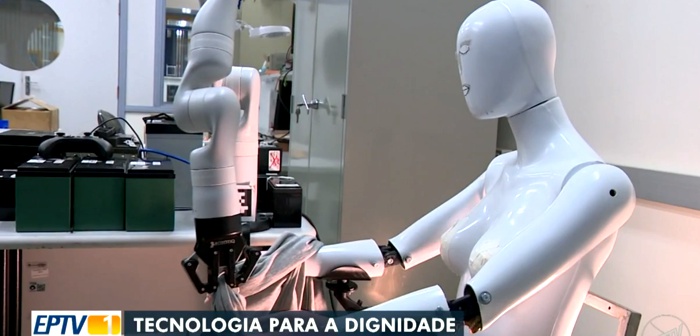
A report on Jornal da EPTV interviews BRAINN researcher Eric Rohmer about an internationally awarded study in assistive robotics.
BRAINN in the Media: Study “Weight Training Protects the Brains of the Elderly Against Dementia” Highlights in the National Press
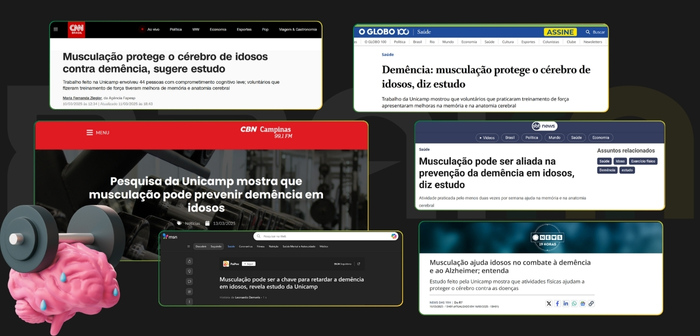
A BRAINN study on the correlation between weight training and brain health benefits in older adults has been featured by various media outlets in recent days. Check it out.
Physicist develops algorithm capable of assisting in Parkinson’s treatment
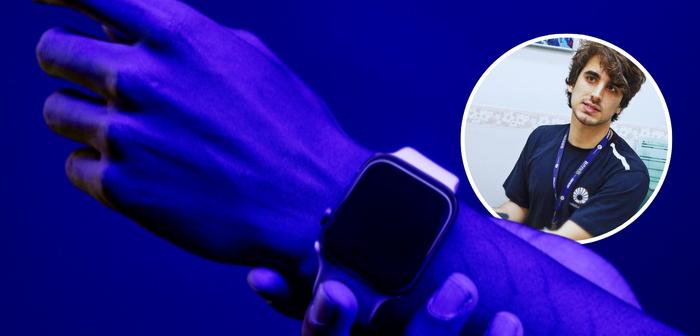
The research was supervised by CEPID BRAINN´s researchers, Dr. Rickson Mesquita and Dr. Gabriela Castellano. Check out the report from HC Unicamp.
World Health Organization’s (WHO) Technical Advisory Group on Genomics (TAG-G), chaired by researcher Iscia Lopes-Cendes, publishes article in Nature Medicine.
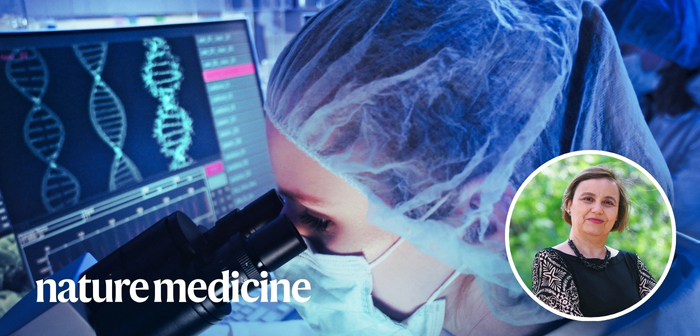
Article from Agência FAPESP interviews researcher from CEPID BRAINN and details the need for awareness, professional training, and investment in genomics.
Global Study Identifies Markers for the Five Clinical Stages of Parkinson’s Disease
Research, which included the participation of BRAINN, analyzed data from over 2,500 individuals with Parkinson’s and developed metrics for each clinical stage of the disease.
The body as an instrument: music therapy in brain neuroplasticity and in the rehabilitation of stroke patients
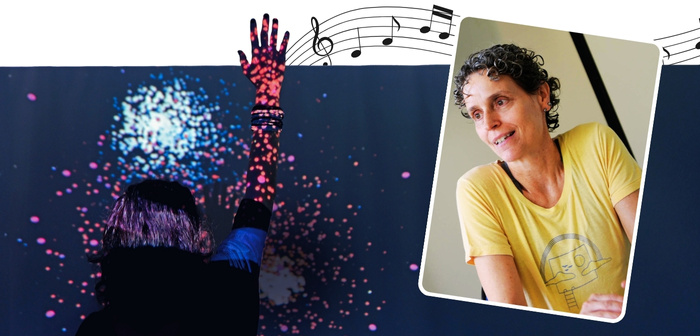
Report in Jornal da Unicamp Explains Innovative Technology and Its Uses in Patient Rehabilitation Check out the interview with BRAINN researcher Dr. Gabriela Castellano.
World’s largest epilepsy study reveals ‘genetic architecture’ and points to new therapies
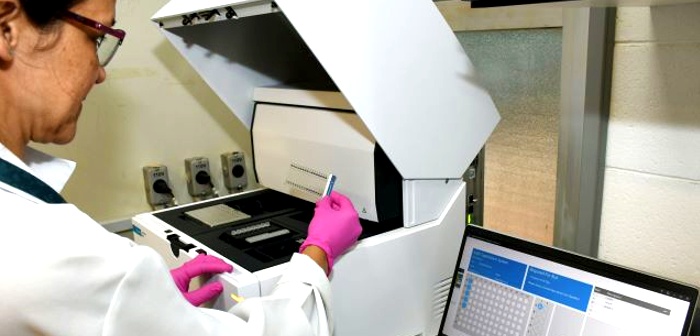
Considered the largest genetic study of epilepsy in the world, paper published in Nature Genetics reveals alterations in DNA that signal a greater risk for the brain disorder.
 CEPID BRAINN
 Português do Brasil